
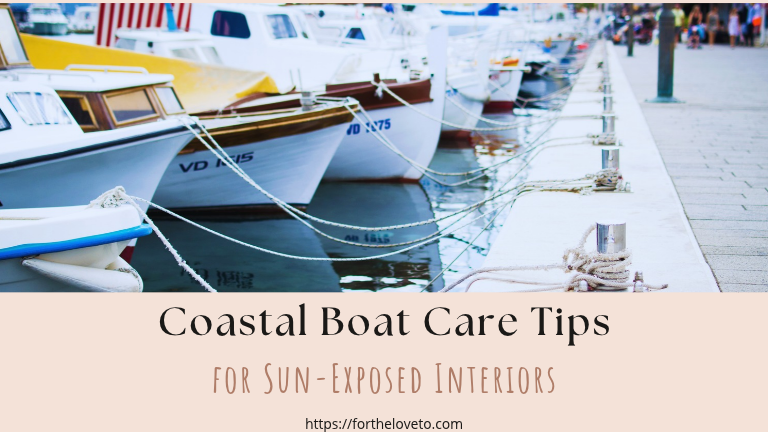
Coastal boat care helps protect a vessel from conditions that inland boats may encounter less often. Saltwater, intense sunlight, humidity, sand, and repeated launching can affect everything from metal hardware to upholstery. Families who regularly boat along the coast can reduce premature wear by paying attention to the parts that receive the most exposure and performing basic care after each trip.
Saltwater Keeps Working After the Boat Is Docked
Salt left behind after seawater evaporates can collect on metal, fiberglass, glass, and other surfaces. It can also reach less obvious areas, including hinges, fasteners, electrical connections, and the engine’s cooling system.
After saltwater use, rinse the boat thoroughly with fresh water according to manufacturer recommendations. Outboard engines and other systems may also require flushing. Do not assume a surface is clean simply because it looks dry.
Inspect metal components regularly for discoloration, pitting, or early corrosion. Addressing a small affected area is easier than replacing badly corroded hardware later.

Sunlight Can Age the Interior
Coastal boats often spend long hours exposed to direct sunlight. Ultraviolet radiation can contribute to fading, cracking, and deterioration of upholstery, plastics, and other materials.
Use appropriate covers when the boat is stored, and clean upholstery with products suitable for its specific material. Inspect seams as well as exposed surfaces because small splits can allow water into cushions.
Ventilation matters during storage. Trapping moisture beneath a cover can encourage mildew, especially in warm coastal climates.
Pay Attention Below the Deck
Water can collect where families rarely look. Check bilges, storage compartments, drains, and other low areas for standing water.
Electrical components deserve attention too. Salt and moisture can contribute to corrosion around terminals and connections. Loose or damaged wiring should be addressed before it causes an equipment failure on the water. Follow the boat manufacturer’s maintenance schedule rather than relying solely on visible signs of wear.
Subscribe to For The Love To!
Get updates on the latest posts and more from For The Love To straight to your inbox.
By submitting your information, you’re giving us permission to email you. You may unsubscribe at any time.
Remember the Trailer
For trailerable boats, the trailer experiences many of the same harsh conditions as the vessel. Saltwater can reach brakes, hubs, fasteners, lights, wiring, and the frame during launching.
Rinse the trailer after saltwater exposure and inspect tires, wheel bearings, lights, safety chains, and braking components regularly. Owners replacing a trailer or major components can review specifications from boat trailer manufacturers to confirm that equipment is appropriate for the boat’s weight and intended environment.
Create a Post-Trip Routine
A consistent routine makes coastal boat care easier. Unload family gear, remove trash, rinse exposed surfaces, check for collected water, and allow damp areas to dry before covering the boat.
Coastal wear cannot be eliminated, but much of it can be managed with consistent coastal boat care. Freshwater rinsing, proper ventilation, corrosion checks, sun protection, and trailer maintenance address the conditions that repeatedly affect boats near saltwater. Look over the accompanying infographic for more information.

📌 Save This for Later


Thank you for supporting my blog! Please note that this post contains affiliate links, and I may receive payments for clicks, purchases, and/or registrations made through these links. It’s important to mention that ForTheLoveTo.com is a proud participant in the Amazon Services LLC Associates Program, an affiliate advertising program designed to provide a means for sites to earn advertising fees by advertising and linking to Amazon.com. Your support enables me to continue creating valuable content, and I genuinely appreciate it.



Discover more from For The Love To
Subscribe to get the latest posts sent to your email.