
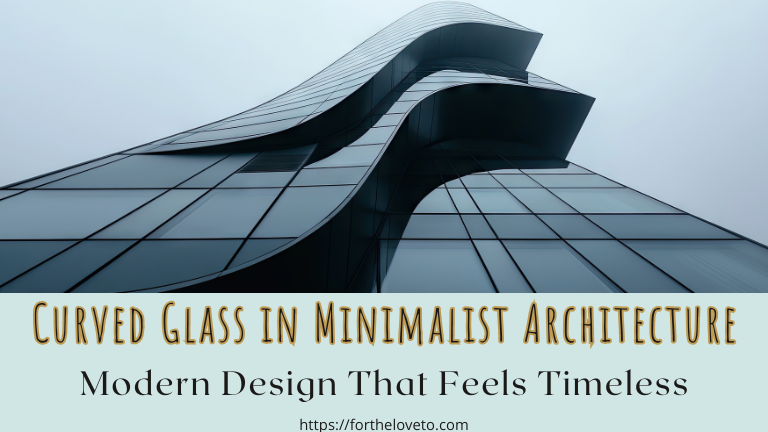
Minimalism in architecture is more than just an aesthetic—it’s a purposeful design philosophy centered on the idea that form follows function. Rooted in the “less is more” principle popularized by modernist architects like Ludwig Mies van der Rohe, minimalist architecture strips design down to its essentials, emphasizing clean lines, open spaces, and the thoughtful use of materials.
According to The Spruce, minimalist buildings focus on “clarity, simplicity, and intentionality,” often incorporating neutral color palettes, natural light, and functional layouts to create serene, uncluttered environments. Rather than relying on decorative elements, minimalist design highlights the architecture itself—its structure, materials, and light—creating spaces that feel open, calming, and timeless.
Within this design language, curved glass has emerged as a powerful tool. More than a stylistic flourish, it embodies the minimalist ideal of doing more with less—serving as both a structural element and a sculptural form, allowing architects to eliminate clutter while maximizing light and spatial flow. In this way, curved glazing is not just compatible with minimalist design—it elevates it.
The Minimalist Movement in Architecture
Minimalism in architecture traces its roots to the early 20th century, influenced by modernist pioneers such as Ludwig Mies van der Rohe and later, Japanese architectural traditions that celebrate simplicity and nature. The movement gained momentum as a response to ornate and overly complex design, advocating instead for spaces that feel calm, essential, and timeless.
Key characteristics include:
- Simple, geometric forms
- Open floor plans
- Limited color palettes
- Use of natural light as a design element
- Uncluttered materials and finishes
In minimalist buildings, every element must serve a purpose—both functionally and visually. This is where curved glass shines.
Curved Glass: A Structural and Visual Powerhouse
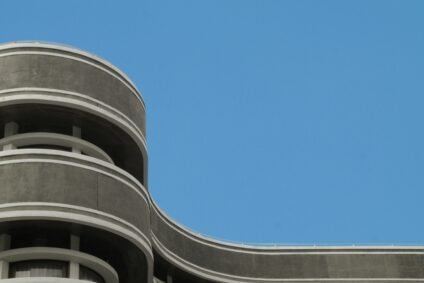
Unlike flat glass, curved glazing introduces softness and movement into minimalist spaces without disrupting their clarity. The curvature catches and diffuses light in more dynamic ways, adding dimension and depth to interiors that might otherwise feel stark. Importantly, curved glass can be engineered to provide both structural support and visual openness.
Large curved panels are now manufactured to high-performance standards—laminated, tempered, and even load-bearing. This means they can often replace complex framing systems or segmented window designs, maintaining clean sightlines and uninterrupted views. In minimalism, where every joint or frame counts as visual noise, curved glazing enables a seamless, sculptural finish.
Whether used in floor-to-ceiling windows, stairwells, balustrades, or partition walls, curved glass becomes a multi-functional material—merging strength, transparency, and elegance into one simple form.
Subscribe to For The Love To!
Get updates on the latest posts and more from For The Love To straight to your inbox.
By submitting your information, you’re giving us permission to email you. You may unsubscribe at any time.
Reducing Visual Clutter with Seamless Glass Installations
More homeowners are Embracing Minimalist Home Décor, and minimalist architecture thrives on visual simplicity. Clutter, whether physical or visual, disrupts the serene experience that minimalism aims to create. Traditional flat glass installations often rely on visible joins, bulky frames, or segmented designs—each of which adds to visual complexity.
Curved glass, on the other hand, can flow with the architecture, wrapping around corners, following circular floor plans, or connecting interior and exterior spaces in a smooth, continuous line. These seamless transitions support the minimalist goal of unifying space, making interiors feel larger and more coherent.
Glass balustrades, spiral stairwells, and curved curtain walls often eliminate the need for extra structural supports. By doing so, they reduce not only visual bulk but also material use—a minimalist win both aesthetically and sustainably.
Crafting the Curve: The Artisans Behind the Glass
Behind every expertly executed curved window is the work of highly skilled glass artisans—specialists who understand both the science and the artistry of shaping glass into bespoke forms. As demonstrated by the
Flickinger Glassworks, they don’t just fabricate glass—they collaborate with architects to bring design visions to life. Artisans use precision-controlled kilns to heat and mold glass into exact radii, ensuring structural integrity while achieving the desired form. But beyond technical expertise, they often possess an innate ability to highlight the beauty of each curve—emphasizing how it catches light, complements the surrounding materials, and becomes a focal point within the architecture.
By tailoring each installation to the specific building style—whether modernist, organic, or traditional—glass artisans help create designs that are as unique as they are impactful. In minimalist settings, where fewer elements compete for attention, a thoughtfully crafted curved window can define the entire space, leaving a lasting impression through its quiet elegance.

Case Studies: Minimalist Buildings That Embrace Curved Glass
Several iconic projects around the world illustrate how curved glass has been successfully integrated into minimalist architecture:
1. Apple Park, Cupertino, California – Foster + Partners
Apple’s headquarters is a masterclass in minimalism and innovation. The circular building features miles of curved glass panels, many of which are structural, offering unobstructed views and seamless transitions between interior and exterior. The glass reflects Apple’s minimalist ethos: precision, clarity, and functional beauty.
2. Casa Gilardi, Mexico City – Luis Barragán
While not minimalist in a strict sense, Barragán’s work embraces spatial clarity and material honesty. In Casa Gilardi, a subtle curved glass window frames a courtyard, softening the geometry of the space and introducing a natural, organic contrast to the linear forms—aligning with minimalist ideals.
3. Zaha Hadid’s Heydar Aliyev Center, Baku
This fluid, sculptural building uses sweeping curves and expansive glass to create a minimalist yet dynamic form. Curved glass walls allow for minimal internal supports, reinforcing the building’s flowing, uninterrupted design language.
4. House NA, Tokyo – Sou Fujimoto Architects
A radical example of minimalism by Sou Fujimoto, this transparent home uses glass—some subtly curved—for its exterior and interior partitions. The minimal use of solid walls and the reliance on glass amplify the sense of openness and light, redefining boundaries in a minimalist space.
Clarity Through Curves
In minimalist architecture, every element must earn its place. Curved glass does just that—and more. It offers structure, beauty, and light, all within a single, flowing form. By eliminating the need for extra framing or segmented design, it simplifies construction while elevating aesthetics. When crafted by expert artisans, it transforms from a mere material into a living element of design, reflecting both architectural intent and natural beauty.
As architects and homeowners continue to embrace the “less is more” philosophy, curved glass stands out as a minimalist material that delivers more with less.
📌 Save This for Later
Thank you for supporting my blog! Please note that this post contains affiliate links, and I may receive payments for clicks, purchases, and/or registrations made through these links. It’s important to mention that ForTheLoveTo.com is a proud participant in the Amazon Services LLC Associates Program, an affiliate advertising program designed to provide a means for sites to earn advertising fees by advertising and linking to Amazon.com. Your support enables me to continue creating valuable content, and I genuinely appreciate it.

Discover more from For The Love To
Subscribe to get the latest posts sent to your email.