
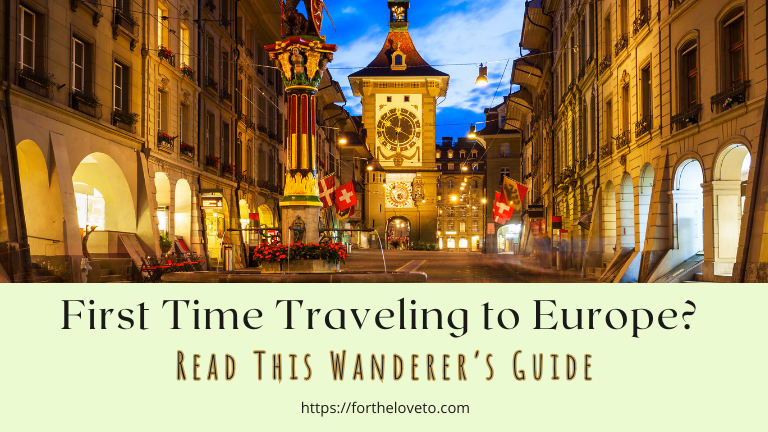
Europe is one of those places that often sounds bigger and more abstract in English than it feels on the ground. From the first step on cobblestones to the quiet moment on a canal bank, Europe reveals itself not as a single destination but as a stitched tapestry of cultures, histories, and landscapes.
For a first-time wanderer from the United States, the experience can be intoxicating, overwhelming, subtle, and deeply grounding — sometimes all at once.
This guide isn’t about packing checklists or fare-comparison tools. It’s about what it feels like to enter a place that has been lived in for centuries, and why — for many travelers — Europe doesn’t just impress, it grows on you in ways that stick long after the journey ends.
Why Europe Feels Different
The first thing most U.S. travelers notice has nothing to do with sights and everything to do with pace. Europe moves at its own rhythm — not slow, not rushed — just balanced in a way that invites presence. You arrive with schedules and plans, and you leave with impressions and memories that often don’t align with either.
Streets That Tell Their Own Story
In many American cities, you chart a route on a grid, follow signs, and reach a destination. In Europe, the route itself is the story. Narrow lanes whisper of centuries of history, churches stand where markets once roared, facades carry layers of paint and memory no single guidebook can capture. Walking becomes less about “getting somewhere” and more about discovering what’s there.
Even small towns seem designed to be walked rather than driven, and stroll after stroll reveals details you didn’t expect: a café that locals swear by, a quiet courtyard that opens into market squares, a church door tucked between two buildings.
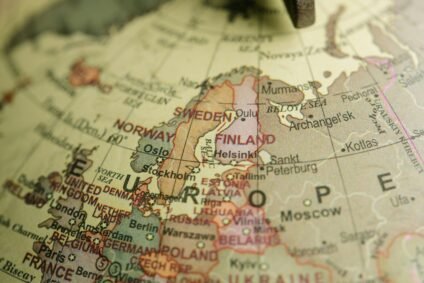
Choosing Your Mode of Exploration
Europe is compact in ways the U.S. is not. Trains, ferries, buses, and even river cruises are as much part of the experience as the destinations themselves.
Land Travel: Trains and Buses
For first-timers, the European rail network is a revelation. High-speed trains connect capitals and regional lines bring you into countryside towns with a simplicity that feels like serendipity. Buses fill in gaps where rails don’t reach, and the community feel on regional routes often offers an authentic snapshot of daily life.
River Cruising: A Unique Way to See the Continent
One increasingly popular and rewarding method of exploration — especially for first-timers — is river cruising. Rather than racing from city to city, you arrive into new places from the water, giving your journey a sense of continuity rather than fragmentation.
Rhine River routes, in particular, are perfect for an introductory European experience: fairytale castles, vineyard-scaped hillsides, historic towns, and world-class cuisine unfold at a measured pace.
If you’re curious about this style of travel or ready to explore it on your own terms, experiences like those found on the Rhine River cruises offer a richly layered way to see Europe that blends relaxation with discovery.
Subscribe to For The Love To!
Get updates on the latest posts and more from For The Love To straight to your inbox.
By submitting your information, you’re giving us permission to email you. You may unsubscribe at any time.
Cities That Become Chapters
Europe’s cities are not polished theme parks. They are layered, evolving, lived-in places where modern life sits above medieval foundations. Each city feels distinct, and part of falling in love with Europe is learning how to listen to those differences rather than gloss over them.
Paris: Familiar Yet Unfamiliar
Paris isn’t just the Eiffel Tower or the Louvre; it is pavement cafes at dawn, the sound of morning markets, and the rhythm of pedestrian bridges over the Seine. Paris feels familiar because it has been featured so often in media, but it feels new because on the ground it is vibrant and alive in ways a photograph never fully captures.
Barcelona: Color, Chaos, and Calm
Barcelona combines bold architecture with beachside ease. The influence of Gaudí is visible everywhere — in undulating facades and mosaic-studded parks — but the city’s pulse is found in tapas bars, late evening strolls in the Gothic Quarter, and afternoons spent watching waves roll in from Barceloneta.
Prague and Vienna: Quiet Grandeur
Eastern and Central European capitals feel more intimate than their Western counterparts. Prague invites you into historic lanes and bridges that seem to float between eras. Vienna blends imperial history with café culture so ingrained, it becomes a social rhythm rather than a tourist activity.
Each city invites you to move at its own pace. None demands performance. All reward curiosity.
Small Towns and Countryside Charms
If cities are chapters, the countryside is where Europe breathes.
Tuscany’s Hills and Village Paths
In Italy, regions like Tuscany unfold in gently rolling hills, vineyards rippling under sun, and towns that celebrate food not as spectacle but as daily life. Meals here are long, unhurried, and social. Wine is part of the landscape, not an accessory. The emotional pace matches the physical environment.
Alsace’s Storybook Villages
Border regions like Alsace (where French and German cultures intertwine) offer villages that look like they grew from a painter’s imagination. Timber-framed houses, cobblestone squares, and slow-turning conversation become the landmarks here, each village a small fragment of lived history.
Food, Culture, and the Art of Eating
Europe is not a place you simply eat in — it is a place you dine with. Meals are investments in time, connection, and sensory memory.
The Dinner That Isn’t Dinner
In many European cultures, “dinner” starts when the sun begins to set and unfolds as an experience — a progression of courses, conversations that deepen rather than rush, and moments that refuse to be hurried. The point isn’t just nutrition; it is connection — with food, with place, with people at your table.
This is where a first-time wanderer often finds something unexpected. Eating becomes an adventure in presence rather than performance.
Learning to Wander Without Rushing
The best advice for first-time travelers is not a schedule. It is permission: permission to move slowly, to detour down an unplanned street, to sit at a café without a plan, to watch life happen around you rather than chase Instagram moments.
Europe rewards presence.
Embracing the Unexpected
A stray local recommendation, a detour to a nearby village, a decision to spend an extra hour in a park — these moments shape experience more than any itinerary. Europe is generous that way: the richest experiences tend to be unplanned echoes of the life that pulses beneath every stone and story.
Practical Tips for the First Timer
Language Doesn’t Need to Be Perfect
You don’t need fluency. You need effort. A simple “bonjour,” “por favor,” or “danke” creates space for connection and respect. People respond to genuine attempts, even imperfect ones.
Pace Yourself
Travel isn’t a checklist. It is a sequence of moments. Too many cities in too few days make memories blur. Choose depth over breadth. Better to absorb Rome slowly over three days than sprint through seven cities in the same time.
Let the Journey Be Your Guide
A journey through Europe may start with destinations, but it tends to become more about experience. It becomes about how you feel at sunrise on a canal path in Amsterdam, the unexpected kindness of a local baker in Lisbon, or the rippling light on a German river as you prepare for dinner.
These are the moments that remain long after postcards are packed away.
Why Europe Gets Under Your Skin
Europe isn’t perfect. It isn’t seamless. It isn’t always smooth travel. But it is honest, layered, and real. There is continuity in the way history merges with modern life, in the way daily routines feel unhurried rather than pressured, and in how time away becomes a process of rediscovery — not just of places, but of parts of yourself that may have been dormant.
For a first-time wanderer, Europe teaches that travel is not about reaching a place, but about allowing a place to reach you. And because Europe is rich with history, culture, language, food, and gentle variation of pace from region to region, it becomes more than a destination. It becomes a companion in your own unfolding story.
📌 Save This for Later
Thank you for supporting my blog! Please note that this post contains affiliate links, and I may receive payments for clicks, purchases, and/or registrations made through these links. It’s important to mention that ForTheLoveTo.com is a proud participant in the Amazon Services LLC Associates Program, an affiliate advertising program designed to provide a means for sites to earn advertising fees by advertising and linking to Amazon.com. Your support enables me to continue creating valuable content, and I genuinely appreciate it.


Discover more from For The Love To
Subscribe to get the latest posts sent to your email.