
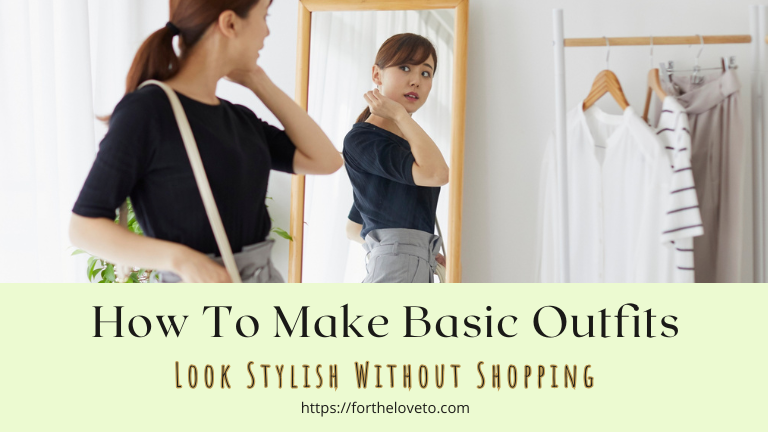
Learning how to make basic outfits look stylish can help me create fresh combinations, reduce unnecessary shopping, and make familiar clothes feel new again.
I can have plenty of clothes in my closet and still find myself reaching for the same few combinations every week. When my jeans always end up with one favorite top or a simple dress looks nearly identical each time I wear it, buying something new can feel like the easiest way to make getting dressed interesting again.
For me, dressing up basics without buying a new wardrobe starts with looking differently at what I already own. Before spending money on another round of clothes, I can get much more variety by figuring out which pieces work, why my usual outfits feel repetitive, and what small changes give them a different personality.
Start With the Basics I Actually Like Wearing
Before experimenting with different combinations, I start with the clothes that consistently earn a place in my rotation. The jeans that fit exactly right or the plain shirt I reach for every week give me a much stronger foundation than pieces I keep hoping I will eventually want to wear.
It also helps to consider why those favorites work so well. Maybe a shirt has an easy fit that looks good tucked or untucked, while a favorite pair of jeans works with several types of shoes. Once I know what makes certain basics dependable, I can build around those strengths without wasting time trying to rescue clothes that never suited me in the first place.

Figure Out Why My Outfits Feel Repetitive
Whenever my wardrobe starts feeling boring, I have learned that the problem usually isn’t the number of clothes hanging in it. I may have simply assigned certain pieces permanent partners, wearing one blouse exclusively with work pants or automatically reaching for the same shoes whenever I put on a particular pair of jeans.
If nearly every outfit follows a similar silhouette or stays firmly within one casual or dressy category, I probably have possibilities sitting in my closet that I haven’t considered. Identifying the pattern gives me something specific to change before I decide another purchase will solve the problem.
Change the Shape Before Changing the Clothes
Once I recognize what’s making my outfits feel predictable, I start experimenting with silhouette and proportion. A loose button-down that I normally leave untucked can look completely different tucked into a higher waist, while cuffing my jeans shifts more attention toward my shoes. Even adjusting my sleeves or changing how a cardigan falls over a dress can alter the shape.
Those little changes have convinced me that an outfit depends on more than the individual garments involved. The way the pieces meet and where they create visual breaks can change the finished look considerably. Playing with those details lets me get a different result from clothes I have already worn together many times.
Subscribe to For The Love To!
Get updates on the latest posts and more from For The Love To straight to your inbox.
By submitting your information, you’re giving us permission to email you. You may unsubscribe at any time.
Let One Piece Set a Different Direction
Once I have the proportions where I want them, I like to use one distinctive piece to give familiar basics a different personality. I can wear the same jeans and a simple top with sneakers for a relaxed look, then switch to boots when I want the outfit to feel a little more polished or expressive. Changing my footwear gives me that shift without making every part of the outfit compete for attention.
Even within one footwear category, I can find plenty of variation. Looking at the different styles of cowgirl boots, for instance, shows how classic Western shapes create a different impression from streamlined or more decorative designs. I don’t have to turn the entire outfit into a Western look to borrow that idea. Sometimes changing the shoes is enough to make clothes I know well feel noticeably different.
Mix Pieces I Normally Keep Separate
I have a habit of dividing my closet into invisible categories. Work clothes stay with other work clothes, casual favorites form their own group, and anything purchased for a special occasion can spend months waiting for another reason to come out.
Breaking those boundaries gives me combinations I might never find if I keep shopping within the same categories. I’ve found that wearing one piece in different ways can completely change where it fits into my wardrobe, whether I pair a work blouse with relaxed denim or give a dressier jacket new life over my favorite T-shirt. Even a skirt bought for dinners or events may work with an everyday top and casual shoes. Once I stop treating the occasion I bought something as a permanent rule, much more of my closet becomes available to me.
Use Accessories To Finish the Outfit
After the main pieces are working together, I use accessories to fill whatever still feels missing. A simple combination might need a noticeable belt or favorite earrings, while an outfit with stronger footwear or an interesting layer may already have enough going on.
Waiting until the end makes it easier for me to decide what accessory actually contributes. If I already have a clear focal point, piling on more details can make the outfit feel busy. When something looks slightly unfinished, however, one well-chosen accessory can provide the contrast or polish I want. Jewelry, scarves, bags, and belts that I rarely wear become much more useful when I give each one a specific job.
Save the Combinations That Actually Work
Experimenting with my closet doesn’t do much good if I forget every successful combination by the following week. When an outfit comes together particularly well, I can take a quick photo before heading out. Eventually, those photos give me a personal reference for combinations I already know feel comfortable and look the way I want.
Keeping track of what works makes busy mornings easier, but it serves another purpose as well. I can see whether my wardrobe has a genuine gap. If I repeatedly wish I had one particular layer or type of shoe to complete several outfits, then a future purchase has a clear purpose. I would much rather put my money toward something my closet genuinely needs than buy another piece just because my usual combinations have started to feel boring.
Make My Existing Wardrobe Feel New Again
I don’t need to replace clothes that still fit my life every time my style starts feeling stale. Sometimes my wardrobe feels limited because of the habits I’ve built around it, especially when favorite pieces stay locked into the same combinations and categories.
Once I recognize those patterns, I can change the proportions, give familiar outfits a different direction, and bring together pieces I previously kept separate. Keeping track of the combinations I love makes dressing up basics without buying a new wardrobe easier the next time I feel stuck. When I eventually decide to shop, I can spend my money on something my closet genuinely needs instead of a new purchase to solve a styling problem.
📌 Save This for Later
Thank you for supporting my blog! Please note that this post contains affiliate links, and I may receive payments for clicks, purchases, and/or registrations made through these links. It’s important to mention that ForTheLoveTo.com is a proud participant in the Amazon Services LLC Associates Program, an affiliate advertising program designed to provide a means for sites to earn advertising fees by advertising and linking to Amazon.com. Your support enables me to continue creating valuable content, and I genuinely appreciate it.



Discover more from For The Love To
Subscribe to get the latest posts sent to your email.