
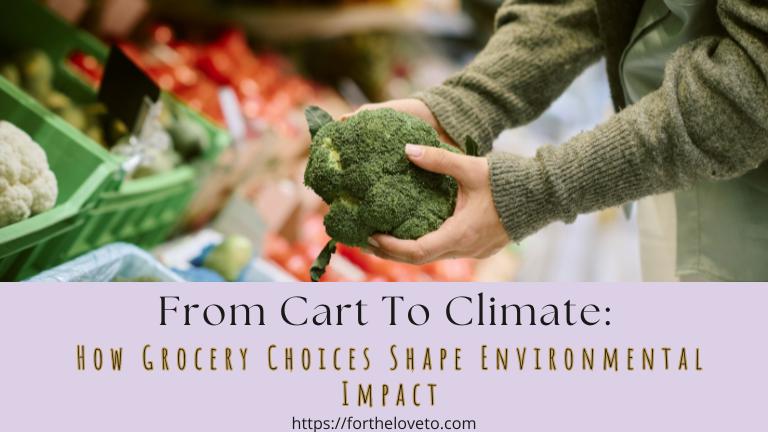
Grocery shopping feels routine, yet each item carries an environmental footprint that begins long before it reaches the shelf. Food production, transportation, packaging, and storage all contribute to resource use and emissions. Small decisions made during weekly shopping trips can add up over time, influencing both household habits and broader environmental outcomes.
Food Production and Resource Use
Agriculture requires land, water, and energy. Different foods place varying demands on these resources. For example, fruits and vegetables often require less land than livestock, while certain crops need significant irrigation depending on the region.
Farming practices also affect soil health and biodiversity. Intensive methods can strain ecosystems, while more balanced approaches help preserve long-term productivity. Choosing a mix of foods and supporting responsible sourcing can reduce pressure on natural systems.
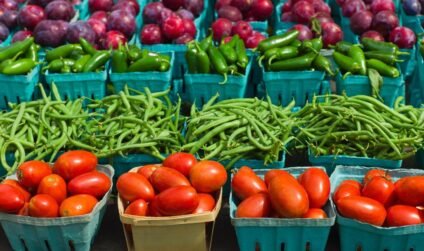
Seasonal eating plays a role as well. Foods grown closer to their natural harvest period often require fewer inputs and less energy for storage.
Transportation and Supply Chains
Many grocery items travel long distances before reaching consumers. Transportation adds to emissions, especially when products require temperature-controlled environments. Refrigerated shipping ensures food safety but increases energy use.
Cold chain logistics companies manage this process, maintaining consistent temperatures from production to retail. While necessary, these systems highlight the importance of efficient routing and reduced travel distances.
Locally sourced foods can help lower transportation impact. Shorter supply chains often mean fewer emissions and fresher products.
Packaging and Waste
Packaging protects food and extends shelf life, but it also contributes to environmental concerns. Single-use plastics and excess materials increase landfill waste and pollution.
Reusable bags, minimal packaging options, and bulk purchasing can reduce this impact. Food waste is another key factor. Items that spoil before use represent wasted resources, including water and energy used during production and transport. Planning meals and storing food properly helps limit unnecessary waste at home.
Storage and Energy Use at Home
Once groceries are purchased, energy use continues in the home. Refrigerators and freezers operate constantly, contributing to household energy consumption. Efficient appliances and mindful storage practices can reduce this demand.
Keeping refrigerators at proper temperatures, avoiding overloading, and regularly checking for expired items all support better energy use. Small adjustments in daily habits can lead to meaningful reductions over time.
Grocery choices connect everyday routines to larger environmental systems. Production methods, transportation, packaging, and storage all contribute to the overall impact. Families who consider these factors can make informed decisions that balance convenience with responsibility, creating positive changes through consistent, practical actions. For more information, feel free to look over the accompanying infographic below.

📌 Save This for Later
Thank you for supporting my blog! Please note that this post contains affiliate links, and I may receive payments for clicks, purchases, and/or registrations made through these links. It’s important to mention that ForTheLoveTo.com is a proud participant in the Amazon Services LLC Associates Program, an affiliate advertising program designed to provide a means for sites to earn advertising fees by advertising and linking to Amazon.com. Your support enables me to continue creating valuable content, and I genuinely appreciate it.



Discover more from For The Love To
Subscribe to get the latest posts sent to your email.