
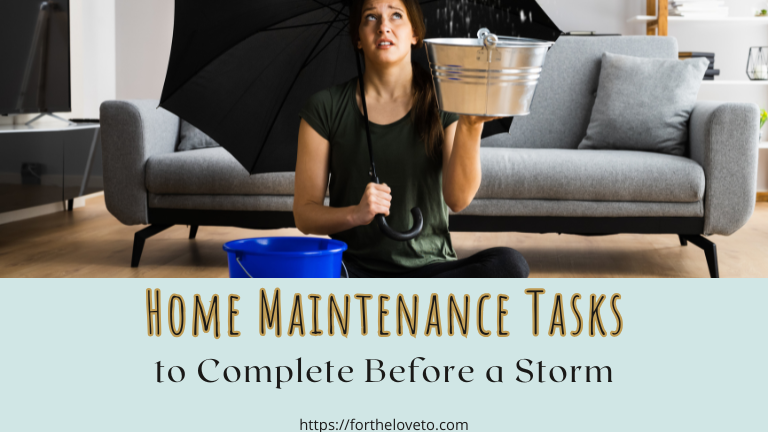
Learning how to protect your home from storm damage starts long before severe weather appears in the forecast. Storm damage can happen quickly, but the conditions that make a home vulnerable often develop over months or years. Loose roofing materials, clogged gutters, weak tree limbs, and poor drainage can turn heavy rain or strong winds into expensive repairs.
Homeowners cannot prevent severe weather, but regular maintenance and a few targeted improvements can help protect your home from storm damage, reduce property damage, and lower the likelihood of filing an insurance claim.
Start at the Roofline
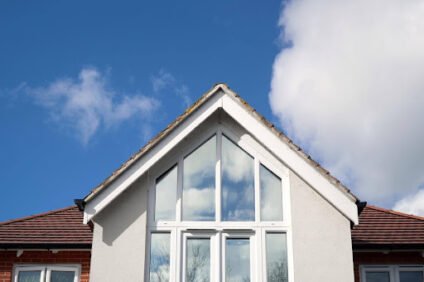
The roof takes some of the strongest punishment during storms. Missing shingles, cracked tiles, deteriorated flashing, and loose materials can allow wind and water to reach areas that should remain protected. These are also important issues to consider when purchasing a property, along with the other things every family should know before buying a home.
Inspect the roof periodically and after major storms, preferably from the ground or with help from a qualified professional. A small leak deserves attention even if it has not caused visible interior damage. Homeowners who notice broken or displaced roofing materials may need tile roof repair before the next round of severe weather exposes the damaged area again.
Gutters matter too. Leaves and debris can prevent water from draining properly, causing it to overflow near siding, windows, or the foundation. Keep gutters clear and confirm that downspouts direct water away from the house.
Reduce Hazards Around the Yard
A healthy-looking tree can still have branches that become dangerous during high winds. Inspect trees for dead limbs, cracks, leaning trunks, or branches hanging over the roof, driveway, or utility lines. Large or difficult pruning jobs should be left to trained professionals.
Outdoor furniture, grills, toys, planters, and trash cans can also become projectiles. Families should have a plan for moving or securing loose items when severe weather is forecast rather than scrambling once conditions deteriorate.
Keep Water Moving Away From the House
Heavy rainfall becomes more damaging when water collects next to the foundation. Soil should generally slope away from the house so rainwater moves outward instead of pooling against exterior walls.
Check basement windows, exterior doors, and other low openings for places where water could enter. Homes with sump pumps should have the equipment tested periodically. A battery backup can provide additional protection if a storm causes a power outage while water is still entering the drainage system.
Subscribe to For The Love To!
Get updates on the latest posts and more from For The Love To straight to your inbox.
By submitting your information, you’re giving us permission to email you. You may unsubscribe at any time.
Document the Property Before Damage Happens
Insurance preparation is another practical way to protect your home from storm damage. Photograph major rooms, appliances, electronics, furniture, and valuable belongings before there is a loss. When practical, keep receipts or serial numbers for expensive items.
Review the homeowners insurance policy as well. Coverage for wind, hail, flooding, and deductibles can differ, and standard homeowners insurance generally does not cover flood damage.
Storm-proofing is less about preparing for one dramatic weather event and more about keeping small vulnerabilities from becoming larger losses. Regular roof and drainage checks, safer landscaping, secured outdoor items, and updated property records give families practical ways to reduce risk. Look over the infographic below for more information.
📌 Save This for Later
Thank you for supporting my blog! Please note that this post contains affiliate links, and I may receive payments for clicks, purchases, and/or registrations made through these links. It’s important to mention that ForTheLoveTo.com is a proud participant in the Amazon Services LLC Associates Program, an affiliate advertising program designed to provide a means for sites to earn advertising fees by advertising and linking to Amazon.com. Your support enables me to continue creating valuable content, and I genuinely appreciate it.



Discover more from For The Love To
Subscribe to get the latest posts sent to your email.