
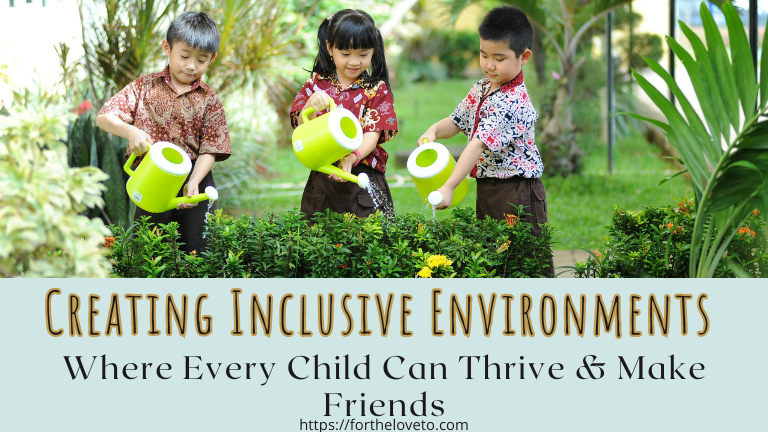
As parents, caregivers, and community members, we all want children to feel accepted, valued, and confident in who they are. While every child has unique strengths, interests, and challenges, they all deserve opportunities to learn, play, and build meaningful relationships. That’s why creating inclusive environments where every child can thrive isn’t just a goal—it’s something we can practice in everyday life.
Inclusion doesn’t require grand gestures. Often, it’s the small choices we make at home, on the playground, at school, and in our communities that have the biggest impact. When children consistently experience kindness and respect, they begin to carry those values into their own relationships. Over time, these everyday interactions create spaces where everyone feels seen and appreciated, regardless of their abilities, personalities, or backgrounds.
Start With Belonging
Children naturally notice differences, but they also learn from the adults around them. When we model kindness, curiosity, and respect, we help children see diversity as something to appreciate rather than fear.
Simple habits like encouraging children to include others in games, celebrating different strengths, and teaching respectful communication create a welcoming environment for everyone. Instead of focusing on what makes children different, we can emphasize the many ways they share common interests and experiences.
These lessons become even more meaningful when children regularly interact with peers from different backgrounds and with different abilities. Exposure to diverse experiences helps children become more adaptable and understanding. When inclusion becomes part of everyday routines instead of a special lesson, children begin to view acceptance as the norm.

Recognize the Power of Play
Play is one of the most effective ways children build confidence, communication skills, and friendships. Whether it’s imaginative games, outdoor adventures, or collaborative crafts, shared activities allow children to connect naturally.
Many families are bringing back group play, which encourages social interaction. Group activities provide valuable opportunities for children to practice teamwork, problem-solving, and empathy while simply having fun together. Not every child participates in play the same way, and that’s okay. Offering flexible activities with different ways to engage helps everyone feel included.
Creating opportunities for cooperative play can also reduce the emphasis on competition. Activities where children work toward a shared goal—such as building something together, creating a story, or completing a scavenger hunt—encourage collaboration and allow each child to contribute according to their strengths. This approach helps children appreciate different perspectives while developing confidence in their own abilities.
Support Different Social Styles
Friendships don’t always happen effortlessly. Some children need additional guidance navigating conversations, reading social cues, or joining group activities.
Parents can make a difference by practicing introductions at home, arranging smaller gatherings before larger ones, encouraging children to connect over shared interests, and recognizing that confidence develops gradually through positive experiences. Families helping a child with autism build meaningful friendships can encourage authentic social connections while respecting each child’s individual communication style.
It’s equally important to remember that healthy friendships don’t all look the same. Some children enjoy having a wide circle of friends, while others feel happiest with one or two close companions. Rather than measuring success by the number of social interactions a child has, we can focus on whether those relationships feel supportive, enjoyable, and genuine. Respecting individual social preferences allows children to develop confidence without feeling pressured to fit a particular mold.
Subscribe to For The Love To!
Get updates on the latest posts and more from For The Love To straight to your inbox.
By submitting your information, you’re giving us permission to email you. You may unsubscribe at any time.
Encourage Empathy Every Day
Empathy grows through experience. Reading diverse books, volunteering together, talking openly about emotions, and discussing different perspectives all help children understand others more deeply.
When conflicts arise, we can guide children to ask questions instead of making assumptions. Simple conversations about feelings, fairness, and understanding encourage thoughtful reflection and help children recognize that every person experiences the world differently.
Parents can also look for teachable moments in everyday life. Whether discussing characters in a movie, observing interactions at the park, or talking about current events in an age-appropriate way, these conversations let children practice perspective-taking. Over time, empathy becomes less of a lesson and more of a habit that shapes how they treat classmates, neighbors, friends, and eventually even coworkers.
Create Spaces That Encourage Participation
Physical and emotional environments both influence whether children feel comfortable joining in. A welcoming space is one where children know they can participate without fear of embarrassment or exclusion. This might mean offering quiet areas during busy gatherings, providing clear expectations before activities begin, or allowing children to contribute in ways that match their comfort level.
Adults can also pay attention to whose voices are being heard. Some children eagerly volunteer ideas, while others may need extra encouragement or additional time to respond. Making space for everyone to contribute reinforces the idea that every child’s thoughts and experiences matter. These subtle adjustments often improve the experience for all children, not just those who may need additional support.
Build Inclusive Communities
Inclusion extends beyond individual families. Schools, sports teams, libraries, neighborhood events, and community organizations all play important roles in helping children feel like they belong.
When communities prioritize accessibility, flexibility, and open communication, families are more likely to participate and form lasting connections. Inclusive environments also encourage children to interact with peers they may not otherwise meet, broadening their understanding of the world around them. These shared experiences help create stronger neighborhoods where diversity is viewed as a strength and everyone has opportunities to contribute.
Every Small Step Matters
Creating inclusive environments where every child can thrive is an ongoing process rather than a destination. It begins with everyday choices that communicate acceptance, patience, and understanding.
When children grow up in communities where differences are respected and friendships are encouraged, everyone benefits. They learn compassion, resilience, and collaboration—qualities that extend far beyond childhood.
No family will approach inclusion perfectly every day, and that’s okay. What matters most is the willingness to keep learning, listening, and making thoughtful choices that help children feel welcomed and valued. By intentionally creating opportunities for connection and celebrating the unique qualities every child brings, we can shape communities where belonging isn’t something children have to earn; it’s something they can expect from the very beginning.
📌 Save This for Later
Thank you for supporting my blog! Please note that this post contains affiliate links, and I may receive payments for clicks, purchases, and/or registrations made through these links. It’s important to mention that ForTheLoveTo.com is a proud participant in the Amazon Services LLC Associates Program, an affiliate advertising program designed to provide a means for sites to earn advertising fees by advertising and linking to Amazon.com. Your support enables me to continue creating valuable content, and I genuinely appreciate it.



Discover more from For The Love To
Subscribe to get the latest posts sent to your email.