
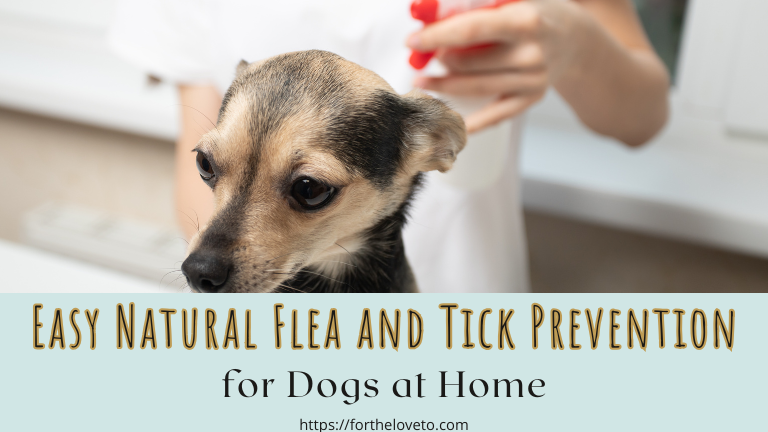
Fleas and ticks can cause itching, skin problems, and disease in dogs, so many owners look for safe ways to keep these pests away. Natural prevention methods give dog owners practical options that avoid harsh chemicals and focus on simple habits at home.
Natural flea and tick prevention methods for dogs include plant-based sprays, simple diet additions, and clean home care that help repel pests without harsh treatments. This article explains how these methods work together so that a dog stays more comfortable and protected throughout the year.
Natural flea and tick collars made with plant-based ingredients
Some dog owners choose flea and tick collars made with natural ingredients as an added layer of protection, including options designed as part of natural flea and tick prevention from Get FurLife, or other trusted brands. These types of collars often use plant-derived oils such as cedarwood, peppermint, citronella, or geraniol, which release mild scents that fleas and ticks tend to avoid. Unlike topical treatments that require frequent application, the collar provides continuous support by slowly releasing repellent ingredients around the dog’s neck and coat.
Owners should select collars specifically designed for dogs and check that essential oil concentrations remain low and pet-safe to prevent skin irritation. Natural collars work best when combined with regular grooming, clean bedding, and outdoor inspections, since they help reduce exposure rather than eliminate pests entirely. When used as part of a broader prevention routine, these collars can support long-term comfort while avoiding harsher chemical treatments.
Lemongrass and Cedarwood Essential Oil Natural Spray
Many pet owners use a simple spray made with lemongrass and cedarwood oils as part of natural flea and tick prevention, because these oils have natural repellent properties. Cedarwood oil helps repel fleas and may reduce their presence on the coat, while lemongrass contains compounds such as citral and geraniol that pests tend to avoid.
To make a basic spray, they can add a few drops of cedarwood and lemongrass essential oils to water in a spray bottle. Some people add a small amount of vegetable glycerin so the oils mix more evenly. After they shake the bottle well, they lightly mist the dog’s coat and avoid the eyes, nose, and mouth.
They should always dilute essential oils and test a small area of skin first because some dogs have sensitive skin. In addition, this spray works best as part of a broader flea control plan that includes regular grooming and a clean home.
Apple Cider Vinegar Spray for Flea and Tick Repellent
Apple cider vinegar spray serves as a simple, natural way to help repel fleas and ticks. Many pet owners use it because its strong smell and acidic taste make a dog less appealing to these pests. Although it does not kill fleas, it may help reduce the chance of infestation.
To prepare the spray, mix equal parts apple cider vinegar and water in a clean spray bottle. Some people add a small amount of fresh lemon juice for extra scent, however plain vinegar and water work well on their own. Shake the bottle before each use so the liquid stays mixed.
Spray the solution lightly over the dog’s coat, then rub it into the fur with a cloth. Avoid the eyes, nose, and any open cuts because vinegar can cause irritation. For best results, apply it before outdoor activity and repeat a few times per week, especially during peak flea and tick season.
Diatomaceous Earth Powder Applied to Dog Bedding and Coat
Diatomaceous earth is a fine powder made from fossilized aquatic organisms, and many pet owners use food grade forms as a natural flea control option. The powder works by drying out adult fleas on contact, so it can reduce active infestations. However, it does not prevent new fleas from jumping onto the dog.
Owners can lightly dust the powder onto dry dog bedding and work it deep into fabric fibers. After several hours, they should vacuum the area to remove dead fleas and excess dust. In addition, they can apply a small amount to the dog’s dry coat and gently brush it through the fur while avoiding the eyes, nose, and mouth.
Only food-grade diatomaceous earth should touch a dog or its bedding. Pet owners should use a light hand, since heavy dust clouds may irritate the lungs of both dogs and people.
Subscribe to For The Love To!
Get updates on the latest posts and more from For The Love To straight to your inbox.
By submitting your information, you’re giving us permission to email you. You may unsubscribe at any time.
Regularly Washing Dog Bedding and Vacuuming the Home
Clean bedding and floors reduce the number of flea eggs and larvae in the home. Dogs often rest in the same spots, so fleas collect in those areas and lay eggs in fabric and carpet. As a result, simple house care supports any natural flea plan.
Owners should wash dog bedding in hot water at least once a week, because heat helps kill fleas at different life stages. In addition, they need to dry the bedding on high heat to remove any remaining pests. They can also wash soft toys and blankets that the dog uses often.
Vacuum carpets, rugs, and furniture several times a week, especially in rooms where the dog sleeps. This step removes eggs and larvae from fibers before they mature. After each session, they should empty the vacuum canister or discard the bag right away to prevent fleas from escaping back into the home.
Adding Brewer’s Yeast to Dog Food to Repel Fleas
Some dog owners add brewer’s yeast to food as a natural way to help repel fleas. Brewer’s yeast is a by product of beer production, and it contains B vitamins and sulfur compounds. These compounds may change a dog’s scent in a way that makes fleas less attracted to the skin.
Brewer’s yeast comes in powder, tablet, or treat form, so owners can mix it into regular meals with little effort. However, dosage depends on the dog’s size, so a veterinarian should guide the amount. Some dogs have yeast sensitivities, and others may show allergies, so careful use matters.
Scientific support remains limited, and results vary between dogs. Therefore, brewer’s yeast works best as part of a layered plan that may also include grooming, yard care, and other flea control methods.

Conclusion
Natural flea and tick prevention for dogs relies on consistent grooming, clean living spaces, safe plant-based repellents, and smart yard care, and each step works best as part of a clear routine. Owners who brush their dogs often, wash bedding in hot water, use gentle essential oil sprays such as cedarwood or lemongrass in proper dilution, and keep grass trimmed reduce the risk of pests without heavy chemical use. In addition, simple habits like regular inspections after outdoor time and support for skin health through a balanced diet help lower exposure and make early removal easier. With steady care and informed choices, dog owners can limit fleas and ticks while they protect their pet’s health and comfort.
📌 Save This for Later
Thank you for supporting my blog! Please note that this post contains affiliate links, and I may receive payments for clicks, purchases, and/or registrations made through these links. It’s important to mention that ForTheLoveTo.com is a proud participant in the Amazon Services LLC Associates Program, an affiliate advertising program designed to provide a means for sites to earn advertising fees by advertising and linking to Amazon.com. Your support enables me to continue creating valuable content, and I genuinely appreciate it.



Discover more from For The Love To
Subscribe to get the latest posts sent to your email.