
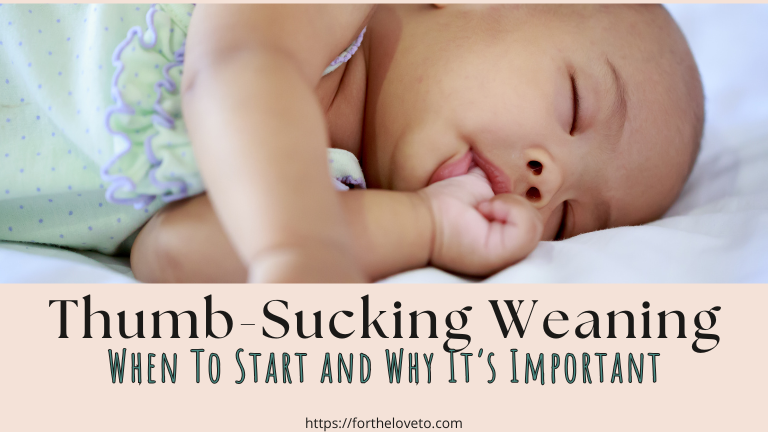
I remember watching my little one self-soothe with a thumb. It looks adorable in infancy, and frankly, it buys us exhausted parents a few moments of quiet. But eventually, the worry sets in. We start looking at those baby teeth and wondering if we are allowing a habit that will cost a fortune in braces later.
Knowing when to step in and help your child stop creates a lot of anxiety for busy families. We don’t want to take away their comfort object, but we also want to protect their smiles. Let’s look at thumb-sucking weaning, when to start, and why it’s important.
When Should Weaning Begin?
Most children stop thumb-sucking naturally between the ages of two and four. Often, they stop finding comfort in it, or peer pressure at preschool encourages them to quit. If your child falls into this category, you can breathe a sigh of relief.
However, the American Academy of Pediatric Dentistry suggests you should intervene if the habit continues past age three. I pay close attention to how my kids soothe themselves. If they suck their thumb vigorously, I know I need to act sooner rather than later. If the child just rests their thumb in their mouth without strong suction, they create fewer dental problems.

Why Weaning Is Crucial
When we know the “why” behind the matter, we have a little more motivation to stick with the weaning process, even when it gets tough. The primary concern involves oral development. The pressure from the thumb pushes the teeth around and can even change the shape of the roof of the mouth.
Nobody wants to spend years and thousands of dollars fixing preventable problems. Taking action now reduces the need for intense orthodontic care to correct thumb-sucking related issues down the road. Aside from the mouth’s physical structure, prolonged sucking can cause speech impediments, specifically with T and D sounds, or result in a lisp.
Social issues play a role, too. As children enter kindergarten, thumb-sucking can attract teasing. Helping them stop builds their confidence in social settings. Germs also present a major factor; their hands touch everything, and constant mouth contact invites illness.
Subscribe to For The Love To!
Get updates on the latest posts and more from For The Love To straight to your inbox.
By submitting your information, you’re giving us permission to email you. You may unsubscribe at any time.
Strategies for Success
While reading through our early orthodontic tips, I found that most experts suggest positive reinforcement over punishment. You want to empower your child, not shame them. Here are a few methods that work for many families:
- Offer Praise: Applaud them when they don’t suck their thumb during a difficult time, like watching a movie or riding in the car.
- Identify Triggers: Notice if they do it when bored or anxious. Offer a different comfort object, like a stuffed animal or a stress ball, during those moments.
- Create a Progress Chart: Let them put a sticker on a calendar for every day they go without sucking their thumb.
- Gentle Reminders: If you see the thumb go in, use a special code word or a gentle hand signal to remind them to stop without embarrassing them.
Breaking a habit takes time. I know it tests our patience, especially on stressful days. But remember, you’re doing this for their long-term health and confidence. By understanding when to start thumb-sucking weaning and the importance of oral health, you can guide your child through this milestone successfully. Stay consistent, keep it positive, and eventually, this phase will be just a memory.
📌 Save This for Later

Thank you for supporting my blog! Please note that this post contains affiliate links, and I may receive payments for clicks, purchases, and/or registrations made through these links. It’s important to mention that ForTheLoveTo.com is a proud participant in the Amazon Services LLC Associates Program, an affiliate advertising program designed to provide a means for sites to earn advertising fees by advertising and linking to Amazon.com. Your support enables me to continue creating valuable content, and I genuinely appreciate it.



Discover more from For The Love To
Subscribe to get the latest posts sent to your email.