
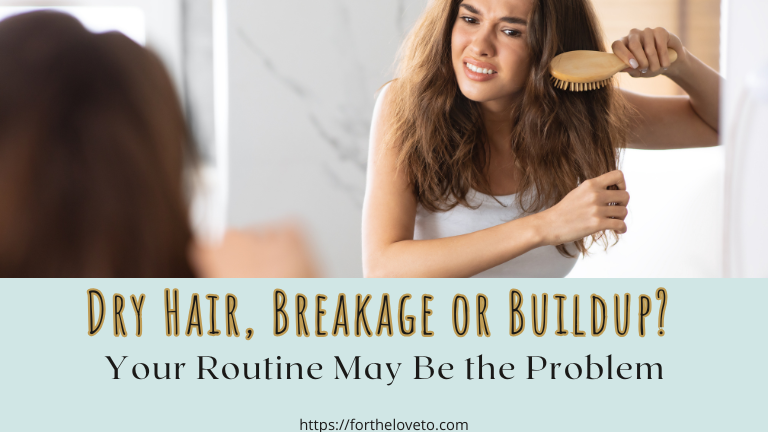
It’s easy to stick with the same hair care routine once you’ve found one that seems to work. I know I tend to keep using the same products and steps until something starts to feel off. Over time, though, your hair can change with the weather, styling habits, product use, chemical treatments, and even shifts in your daily schedule. If you start noticing these signs of dryness, damage, or extra effort during styling, your hair routine might need a reset.
Hair Feels Dry
Persistent dryness is one of the clearest clues that your current products or habits may no longer be giving your hair what it needs. If your hair repeatedly feels rough, brittle, or straw-like even after washing and conditioning, moisture may be leaving faster than your routine can replace it.
It’s tempting to respond by buying a whole new set of products, but that can make it harder to tell what’s actually working. I’d start by looking at the routine you already have and changing one thing at a time.
These are common issues that might be causing your hair to dry out:
- washing more often than your hair needs
- using very hot water
- skipping conditioner or rinsing it too quickly
- regularly using high-heat styling tools
- spending long periods in sun or dry air
- repeated chemical coloring or treatments
Tangles Are Getting Worse
A few knots are normal, especially with longer, curly, or textured hair. But a sudden increase in tangling can be one of those signs that your hair routine needs a reset. If detangling is taking longer or causing more snapping, it’s worth paying closer attention to what has changed.
Be gentle when working through knots, especially when your hair is wet. Use conditioner to make strands easier to separate and start detangling at the ends.
Breakage Increases
I’m always amazed at how much hair seems to accumulate everywhere: around the sink, on clothes, on my brush. But there’s a difference between normal shedding and breakage. Breakage happens when a strand snaps somewhere along its length instead of falling out from the root.
Frequent blow-drying, curling, and straightening can gradually leave hair drier and more fragile. I try to lower the temperature when possible and avoid making repeated passes over the same section. Building in occasional heat-free days can also reduce stress without requiring you to give up styling altogether.
Breakage isn’t only caused by what happens while you’re washing, brushing, or styling your hair. If you spend a lot of time outdoors or swimming, it’s worth learning how to avoid damage and breakage before your hair starts feeling more brittle. Sun, wind, chlorine, salt water, and dry air can also weaken strands over time.

Split Ends Return Quickly
A haircut can remove split ends, but it can’t stop new ones from forming if the same sources of damage continue. When the ends start looking frayed again soon after a trim, ongoing friction, heat, dryness, or rough handling may still be wearing them down.
The ends are usually the oldest and most fragile part of the hair, so gentler handling can go a long way. Instead of rubbing my wet hair aggressively with a towel, I use a soft towel or T-shirt to reduce friction. Detangling from the ends upward also puts less strain on vulnerable strands.
Subscribe to For The Love To!
Get updates on the latest posts and more from For The Love To straight to your inbox.
By submitting your information, you’re giving us permission to email you. You may unsubscribe at any time.
Hair Looks Dull
When hair starts looking flat or less shiny than usual, it can be tempting to reach for another oil or serum. Dullness, however, may have more to do with dryness, residue, or a roughened outer surface than with a lack of styling products. Before layering on something new, consider whether you need to adjust how you cleanse or condition.
Styling creams, oils, dry shampoo, conditioners, and other products can gradually build up residue, particularly when several are layered throughout the week. That buildup may make hair look coated or heavy even when it’s freshly washed.
Styling Takes More Effort
If a hairstyle suddenly takes more effort than it used to, your hair may be telling you something has changed. You might notice that you’re reaching for extra product or spending longer trying to get the same result. In some cases, dryness or buildup can make hair less responsive to your usual routine.
That doesn’t always mean your favorite products have stopped working. Sometimes your hair’s needs shift with the weather, recent treatments, or changes in how often you style it. If you find yourself piling on more product just to get the same result, try simplifying first. Using less, adjusting how often you wash, or changing when you apply certain products may be enough to make styling easier again.
What Can Change Your Hair Texture?
Hair texture can shift over time. Hormonal changes, aging, or repeated chemical treatments can all affect how strands feel and behave. Heat styling and the weather can also make hair seem rougher, finer, curlier, or harder to manage. These causes affect whether you’ll need to make a short-term or longer-term change.
Your Scalp Feels Unbalanced
Hair care doesn’t begin below the roots. Persistent oiliness, dryness, tightness, flakes, or buildup can all suggest that your cleansing frequency or product choices aren’t quite right for your scalp. If you want to create an easy hair care routine, it makes sense to consider scalp comfort alongside what your lengths and ends need.
Here are some scalp care tips:
- If your hair feels greasy soon after washing, use less product near the roots and rinse thoroughly.
- A dry or tight scalp after cleansing may improve with a gentler cleanser or less frequent washing.
- Heavy buildup can be a sign that you’re using too much styling product near the roots, so try cutting back and cleansing thoroughly.
- If irritation or flaking continues despite changes to your routine, talk to a dermatologist.
I’ve found that sometimes the best thing you can do for your hair is stop following a routine on autopilot. Paying closer attention to how your hair feels can make it easier to spot which habits are working and which ones are getting in the way. Make one change at a time to give your hair what it needs.
📌 Save This for Later
Thank you for supporting my blog! Please note that this post contains affiliate links, and I may receive payments for clicks, purchases, and/or registrations made through these links. It’s important to mention that ForTheLoveTo.com is a proud participant in the Amazon Services LLC Associates Program, an affiliate advertising program designed to provide a means for sites to earn advertising fees by advertising and linking to Amazon.com. Your support enables me to continue creating valuable content, and I genuinely appreciate it.



Discover more from For The Love To
Subscribe to get the latest posts sent to your email.