
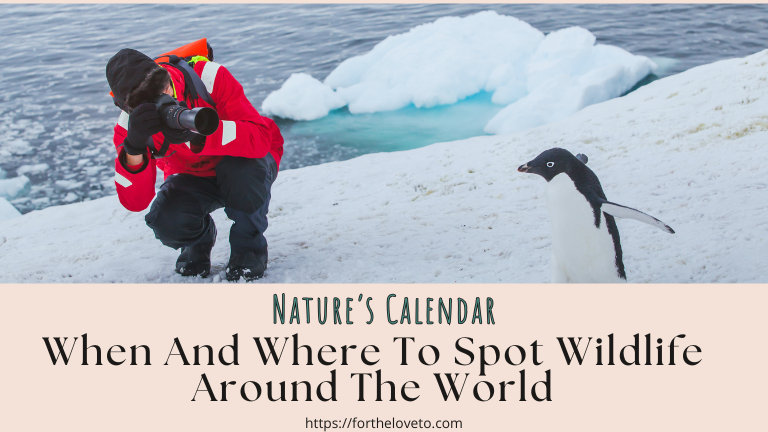
Wildlife travel depends heavily on timing. Animal behavior shifts with seasons, migration patterns, and climate conditions, making certain destinations more rewarding at specific times of year. Travelers who align their plans with these natural cycles are more likely to experience active wildlife, clearer sightings, and diverse species in one trip.
Spring and Early Summer Sightings
Spring brings renewal across many ecosystems. In North America and Europe, this season marks the return of migratory birds, making it ideal for birdwatching in wetlands and coastal areas. National parks often see increased activity as animals emerge from winter dormancy and begin raising young.
Africa’s late spring offers strong wildlife viewing as water sources become limited, drawing animals into shared areas. This concentration improves visibility for travelers visiting savannas and reserves.
Marine life also becomes more active in some regions. Whale watching seasons begin along certain coastlines, offering opportunities to observe migration routes up close.

Peak Summer Wildlife Activity
Summer is a popular travel season, and wildlife activity reflects warmer temperatures. In Alaska and parts of Canada, bears are frequently seen fishing in rivers during salmon runs. This predictable behavior creates reliable viewing opportunities.
African safaris during dry months provide some of the best conditions for spotting large mammals. Reduced vegetation and limited water sources increase the chances of seeing animals in open spaces.
Travelers exploring travel packages to New Zealand during the summer months may encounter marine wildlife such as dolphins, seals, and penguins along the coastline, with calmer weather supporting outdoor excursions.
Fall Migration and Movement
Fall is defined by movement. Birds migrate across continents, creating unique viewing opportunities in key stopover locations. Wetlands and coastal regions become active hubs as species gather before continuing their journeys.
In North America, elk and deer enter mating seasons, which are often visible in national parks and forested regions. These behaviors can be observed at specific times of day, especially early morning and evening.
Marine migrations also continue in some areas, with whales traveling toward warmer waters. Timing these movements allows travelers to witness large-scale natural events.
Winter Wildlife Experiences
Winter offers a different perspective on wildlife travel. While some species become less active, others thrive in colder conditions. Snow-covered landscapes can improve visibility, making animals easier to spot against a clear background.
In northern regions, travelers may see species adapted to cold climates, such as wolves or arctic foxes. Warmer destinations, including parts of Africa and Australia, provide active wildlife viewing without extreme heat.
Seasonal changes influence how and where wildlife can be observed. Travelers who plan with these patterns in mind gain access to more dynamic and memorable experiences. Aligning travel dates with natural cycles allows for better sightings and a deeper connection to the environments being explored. Look over the infographic below to learn more.

📌 Save This for Later

Thank you for supporting my blog! Please note that this post contains affiliate links, and I may receive payments for clicks, purchases, and/or registrations made through these links. It’s important to mention that ForTheLoveTo.com is a proud participant in the Amazon Services LLC Associates Program, an affiliate advertising program designed to provide a means for sites to earn advertising fees by advertising and linking to Amazon.com. Your support enables me to continue creating valuable content, and I genuinely appreciate it.


Discover more from For The Love To
Subscribe to get the latest posts sent to your email.
Nice post,thanks for sharing the Seasonal Sightings Calendar I would love to go see some Kangaroos 🦘 that’s on my bucket list for our families future adventures!