
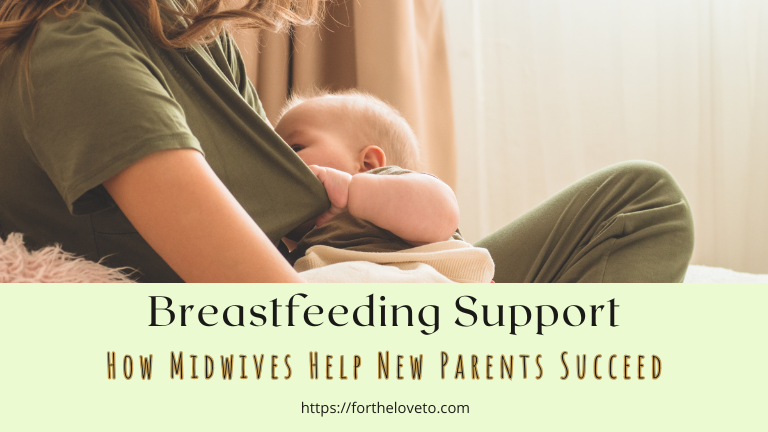
Breastfeeding can feel natural and confusing at the same time. One moment, you may feel close to your baby and confident. Next, you may wonder if your baby gets enough milk, latches well, or feeds often enough.
Midwives bring steady, practical support during a time that can feel emotional and unfamiliar. They help you understand your body, read your baby’s cues, and build confidence one feeding at a time. With the right guidance, breastfeeding becomes less about guessing and more about learning what works for you and your baby. Here’s how midwives can help you succeed at breastfeeding.
Help Before Baby Arrives
A midwife can start helping long before the first feeding. During prenatal visits, your midwife can discuss milk production, feeding positions, hunger cues, and what to expect during the first few days after birth.
That early conversation can ease a lot of worry. You can ask honest questions, share concerns, and talk through past breastfeeding challenges if you’ve had them. Your midwife can also help you prepare for common situations, such as cluster feeding, sore nipples, engorgement, and sleepy newborns.
When you understand what’s normal, you can respond with more confidence instead of panic.

Support With Latch
A good latch can make breastfeeding more comfortable and more effective. Midwives can watch a feeding, suggest small adjustments, and help you find positions that fit your body and your baby’s needs.
Sometimes a tiny change makes a big difference. Your midwife may help you bring your baby closer, adjust head support, or try a side-lying or laid-back position. Clear, hands-on guidance can help you move toward breastfeeding your baby successfully without feeling like you need to figure everything out alone.
Midwives also pay attention to your comfort. Pain, cracking, or pinching deserves care, not dismissal. A midwife can help you identify what’s causing discomfort and take practical steps to improve each feeding.
Subscribe to For The Love To!
Get updates on the latest posts and more from For The Love To straight to your inbox.
By submitting your information, you’re giving us permission to email you. You may unsubscribe at any time.
Clear Education
Breastfeeding education works best when it feels simple, visual, and personal. Midwives often use demonstrations, feeding cues, and positioning examples to make the process easier to understand. Breastfeeding models improve patient education by helping parents see how latch, positioning, and milk transfer work in real life.
That kind of teaching can turn confusing advice into something you can remember during a middle-of-the-night feeding. You don’t just hear what to do. You practice it, ask questions, and build muscle memory.
Care After Birth
Breastfeeding changes quickly in the first days and weeks. Your milk supply shifts, your baby grows, and feeding patterns evolve. Midwives can check in after birth, answer questions, and help you adjust as new concerns come up.
They can also spot when you need extra support, such as help from a lactation consultant or care for tongue-tie concerns, mastitis symptoms, or low milk supply. You stay informed, supported, and connected to the right care.
Confidence You Can Carry
Breastfeeding can feel a touch easier when you have the support of a midwife. You can build confidence and understand your baby’s needs. Over time, feeding can feel calmer, more connected, and more manageable.
With compassionate guidance, you can build a feeding experience that feels healthier, calmer, and more connected for both you and your baby.
📌 Save This for Later
Thank you for supporting my blog! Please note that this post contains affiliate links, and I may receive payments for clicks, purchases, and/or registrations made through these links. It’s important to mention that ForTheLoveTo.com is a proud participant in the Amazon Services LLC Associates Program, an affiliate advertising program designed to provide a means for sites to earn advertising fees by advertising and linking to Amazon.com. Your support enables me to continue creating valuable content, and I genuinely appreciate it.



Discover more from For The Love To
Subscribe to get the latest posts sent to your email.