
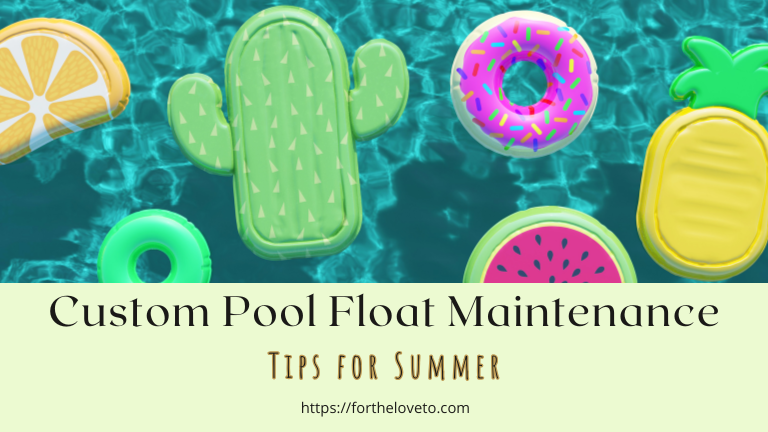
Custom pool floats are a fun investment, and with the right care, they can last for several summers without losing their shape, color, or charm. Most people rinse theirs off after a swim and call it done, but that casual approach leads to fading, cracking, and slow air leaks far sooner than necessary. The good news is that proper cleaning and maintenance do not require a lot of time or special equipment. Follow the steps in this guide, and your floats will stay in great shape from one season to the next.
Why Cleaning and Maintenance Actually Extends Pool Float Life
It might seem like a pool float is just an inflatable piece of vinyl that either pops or it doesn’t, but the reality is more nuanced than that. Chlorine, sunscreen, body oils, and UV exposure all work together over time to break down the surface material. Dirt and chemical residue do not just sit on top of the vinyl: they gradually work into the seams and printed graphics, causing peeling, discoloration, and small stress fractures.
For custom pool floats, like https://floatiekings.com/pages/custom-pool-floats, personalized designs with printed logos or artwork, this kind of damage is especially frustrating because the visual element is part of the point. Regular cleaning removes the chemical buildup before it has a chance to degrade the surface, and proper storage protects the float from temperature extremes that cause vinyl to harden and crack.
Think of maintenance as preventive care rather than extra effort. A float that gets a proper wash and correct storage after each season can realistically last three to five years or more. One that gets tossed damp into a garage corner might not survive two.
How to Clean Custom Pool Floats Step by Step
Rinsing, Washing, and Tackling Stubborn Stains
Start with a fresh water rinse right after each use. This one step alone removes the bulk of chlorine, salt, and sunscreen residue before it dries onto the surface. Use a garden hose at low to medium pressure, and cover both sides of the float thoroughly.
For a deeper wash, mix a small amount of mild dish soap or a dedicated vinyl cleaner with warm water. Apply it with a soft cloth or sponge and work in gentle circular motions across the surface. Avoid scrubbing brushes with stiff bristles, as these can scratch printed graphics and weaken the vinyl. Pay extra attention to the seams and valve areas, where grime tends to collect.
Stubborn stains from sunscreen or algae respond well to a solution of equal parts white vinegar and water. Apply it directly to the stained area, let it sit for two to three minutes, then wipe it away with a clean cloth. For more persistent spots, a small amount of baking soda added to the vinegar solution adds a gentle abrasive action without damaging the surface. Always do a spot test on a hidden area first if you are unsure how the material will react.
Subscribe to For The Love To!
Get updates on the latest posts and more from For The Love To straight to your inbox.
By submitting your information, you’re giving us permission to email you. You may unsubscribe at any time.
Drying Thoroughly Before Storage
This step gets skipped more often than any other, and it causes real problems. Moisture trapped inside or on the surface of a deflated float creates the perfect environment for mold and mildew. These not only create an unpleasant smell but also degrade the vinyl from the inside out.
After the final wash of the season, lay the float flat in a shaded outdoor area or a well-ventilated room. Let both sides air dry completely before you deflate it for storage. Direct sunlight during this drying period can fade the color, so shade is preferable. Once dry to the touch, open the valve and press out as much air as possible before folding.
Best Practices for Storing Custom Pool Floats
Storage conditions have a direct impact on how long your floats hold up between seasons. Heat is one of the biggest threats to vinyl. A garage that reaches high temperatures in the summer, or a plastic storage bin left in direct sunlight, can cause the material to warp, become brittle, or develop permanent creases.
The ideal storage spot is cool, dry, and away from direct sunlight. A climate-controlled space is ideal, but a shaded indoor closet or a storage bin kept in a basement also works well. Temperatures between 50°F and 75°F are the sweet spot for vinyl longevity.
For folding, avoid sharp creases, since these create stress lines that can eventually become cracks or split seams. Instead, roll the float loosely and store it in a breathable mesh bag or a soft pillowcase. Avoid airtight plastic bags, which can trap residual moisture. If you have several floats, layer them without heavy objects on top, as sustained pressure deforms the shape over time.
Inspection, Minor Repairs, and Knowing When to Replace
Before you inflate your floats at the start of each season, take a few minutes to inspect them properly. Look over the entire surface for small punctures, worn seams, or areas where the print has started to lift. Catching a small issue early saves you from dealing with a fully deflated float in the middle of a pool day.
For minor punctures, a vinyl repair patch kit is a practical fix. These kits are widely available and straightforward to use. Clean and dry the area around the hole first, apply the adhesive patch according to the product instructions, and let it cure fully before you inflate the float. A properly applied patch holds well and extends the usable life of the float without any noticeable impact on performance.
Seam issues require a bit more attention. If a seam starts to separate, a small amount of vinyl cement applied carefully along the seam and clamped for the recommended time usually closes the gap. But if the seam damage runs along a large section or affects the structural integrity of the float, repair becomes less practical.
There are a few clear indicators that a float has reached the end of its useful life. If it loses air within minutes of inflation even after repeated patches, if the vinyl has become stiff and chalky throughout, or if large sections of print or surface coating have peeled away, replacement is the better call. Holding onto a compromised float creates frustration and safety concerns, especially for children.
Conclusion
Taking care of your custom pool floats does not require hours of effort, just a consistent routine. Rinse after every use, do a thorough wash before storage, dry completely, and keep them in a stable environment. Add a quick inspection at the start of each season, and you have a straightforward system that adds years to your floats. A little attention now means more time actually enjoying the water instead of replacing gear you already paid for.
📌 Save This for Later
Thank you for supporting my blog! Please note that this post contains affiliate links, and I may receive payments for clicks, purchases, and/or registrations made through these links. It’s important to mention that ForTheLoveTo.com is a proud participant in the Amazon Services LLC Associates Program, an affiliate advertising program designed to provide a means for sites to earn advertising fees by advertising and linking to Amazon.com. Your support enables me to continue creating valuable content, and I genuinely appreciate it.



Discover more from For The Love To
Subscribe to get the latest posts sent to your email.